
-
×
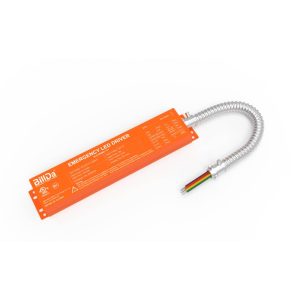 IntrinsiX Emergency Battery Backup 25W
1 × $117.00
IntrinsiX Emergency Battery Backup 25W
1 × $117.00 -
×
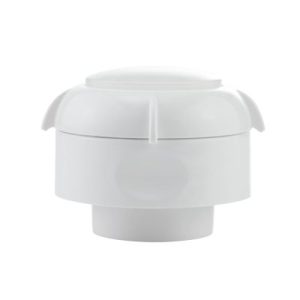 Indoor Z10 base with PIR Sensor
1 × $35.00
Indoor Z10 base with PIR Sensor
1 × $35.00
Subtotal: $152.00
Lighting control sensors help you automate lighting in commercial and industrial spaces so you’re not burning power when nobody’s there. We stock PIR sensors for motion/occupancy, photocell sensor options for daylight harvesting, and smart setups built for networked lighting control like LLLC lighting (NLC5).
These LED lighting sensors work great with high bays, area lights, and wall packs, with adjustable sensitivity and time delays so you can dial them in on-site. Perfect for warehouses, manufacturing floors, parking garages, and offices where motion sensor lighting cuts waste fast. Most options support 0–10V dimming and install via Zhaga, NEMA, or direct-wire. For more options, explore our selection of Indoor Lighting Fixtures.
Showing all 3 results
Lighting control sensors are the “set it and forget it” tools that help lights respond automatically to what’s happening in a space. A solid occupancy sensor turns fixtures on when someone enters, then shuts them off after a time delay. A sensor tied into ambient light can dim fixtures for daylight harvesting, which is a significant benefit near skylights or open doors. Outdoor setups usually lean on a photocell sensor so fixtures run dusk to dawn without anyone touching a switch. The end result is cleaner energy use, less manual control, and fewer hours burned for no reason.
Different jobs call for different control setups, and the best results come from matching the sensor type to the space. A busy warehouse aisle needs something totally different than a parking lot or a stairwell. Here’s the lineup we see contractors using most often:
You’ll find lighting control sensors everywhere that wasted run-time turns into wasted dollars. They’re a go-to upgrade when a customer wants efficiency without monitoring their lighting all day.
Whether it’s indoor automation or exterior security lighting, the right sensor setup helps keep light where it’s needed and cuts it when it’s not.
Quick win for budgets, energy codes, and real-world usability.
Most lighting control sensors are straightforward once you know what style you’re working with. Some are built into the fixture, some twist-lock into a base, and some tie into a circuit like a traditional control.
Any hardwired connections should be handled by a licensed electrician, and commissioning on bigger control projects is usually done by whoever’s managing the lighting controls package.
With sensors, maximum run is less about wiring distance and more about coverage and system capacity.
For large facilities, wireless controls remove most wiring limitations. The real key is smart sensor placement so you don’t end up with dead zones, nuisance triggers, or inconsistent dimming.
Lighting controls get spec’d wrong all the time. Wrong coverage, wrong mounting height, mismatched bases, settings that sound good in a brochure but don’t work on-site. That’s where Duralec makes life easier. When you’re choosing lighting control sensors, we’ll help you match sensor type to the space, fixture, and install conditions, so your controls actually behave the way your customer expects.
Need a clean indoor automation setup? We can pair motion sensor lighting with the right time delay and sensitivity for real-world traffic patterns. Dialing in energy savings near overhead doors or skylights? We’ll guide you toward daylight harvesting setups that don’t over-dim and annoy the crew. Exterior jobs are covered too, with photocell lighting options that give reliable dusk-to-dawn operation without constant call-backs.
If you’re building out bigger upgrades across multiple zones, we can support networked lighting control packages and sensor-ready fixtures so commissioning stays smooth. And if you’re using IntrinsiX fixtures, we can help you match IntrinsiX sensor compatibility the right way from the start. A lot of contractors like keeping it tight with IntrinsiX since it’s built for practical installs and repeatable results.
Add in Commercial Account pricing, fast shipping out of our Illinois warehouse, and a team that actually picks up the phone, and you’ve got controls that help you finish strong.